“Two wars ended with more armed hulls than there was lawful work for, on a coast with syndic ports and no single authority. What happened next was not a mystery and required no wickedness in anybody. The hulls simply went on being hulls.”
As the surf hunters and net wardens of Dover tell it
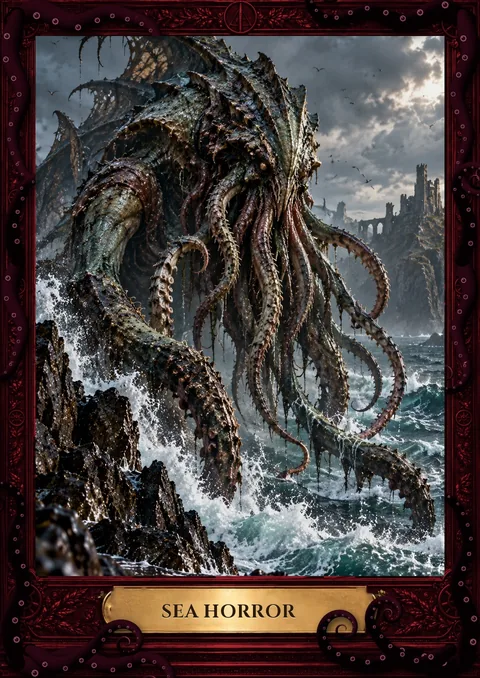
In 4582 the wrecks began bringing things ashore with them. They came in on the tide among the timber and the cordage, and the beach men who went down for salvage came back up the shingle faster than they had gone. The coast calls that season the Dover Surf Revenants, and a net warden will tell a stranger at once that the name is only a name.
For half a season the harbour priests, the tide men and the paid hunters worked as one line. The priests went first and judged the dead and the ground. The tide men said when anything could be reached, and where. Only then did the hunters go down to the water, and they dealt with whatever still moved. The surf hunters take their time over this part. The killing, they say, came last, and that was the whole of the lesson.
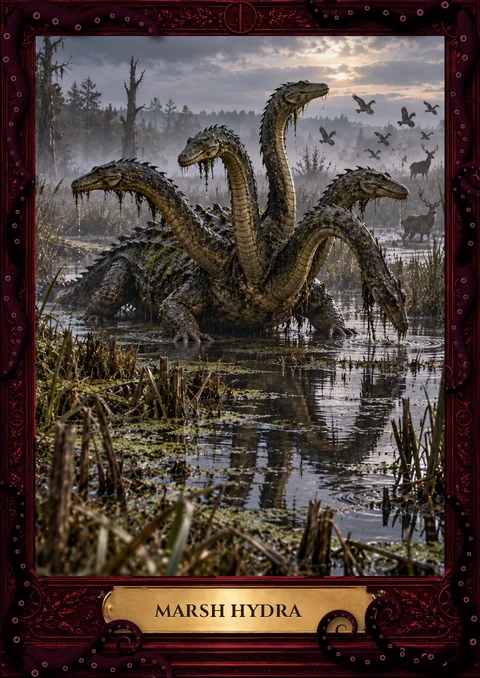
Alongside it the older men tell the eel-wyrm years of the Black Fen, 4534 and 4536, and they tell them not for the hunting but for the quarrel that came after: over bounty, carcass right, salvage and torn nets, and over which authority had in truth paid to make the lower routes usable again. The one tale, they say, shows how the work is done. The other shows the cost of leaving the question of who is owed what until the hunt is over.
What is known
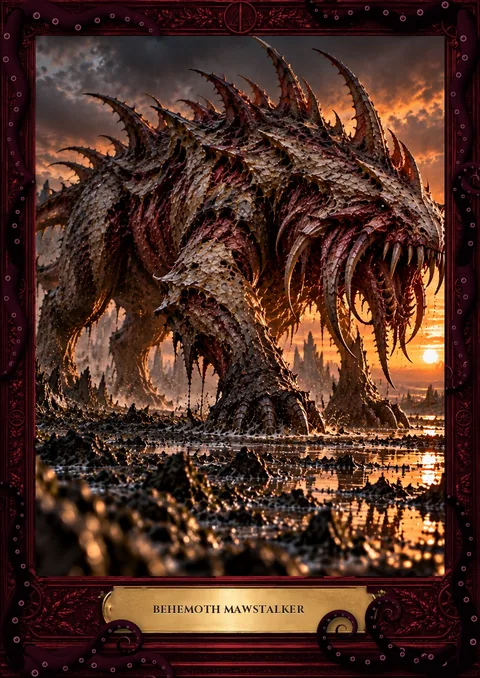
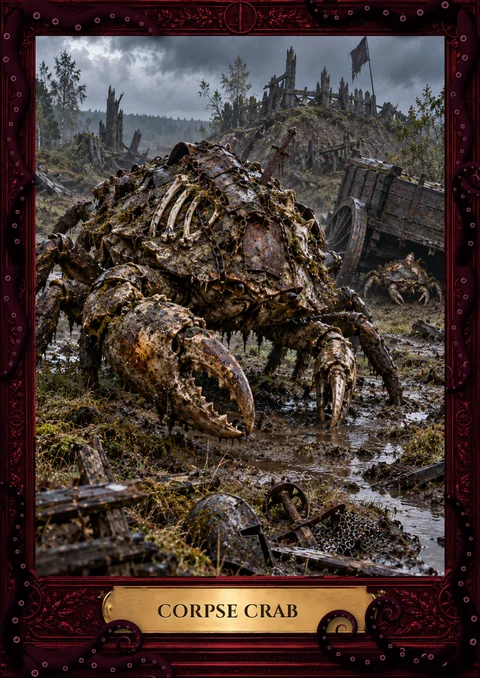
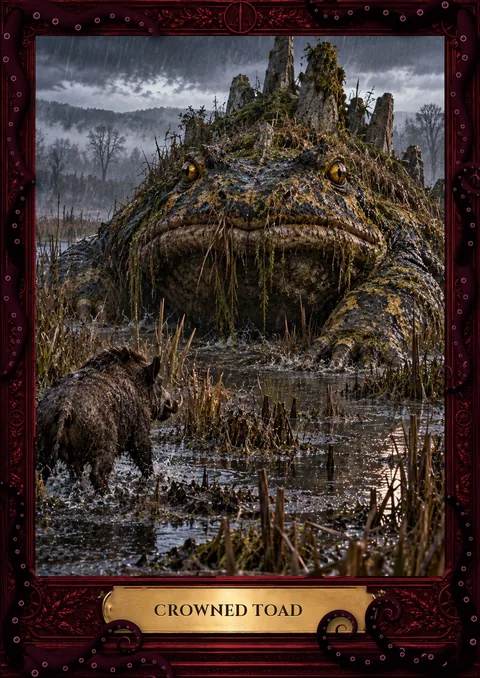
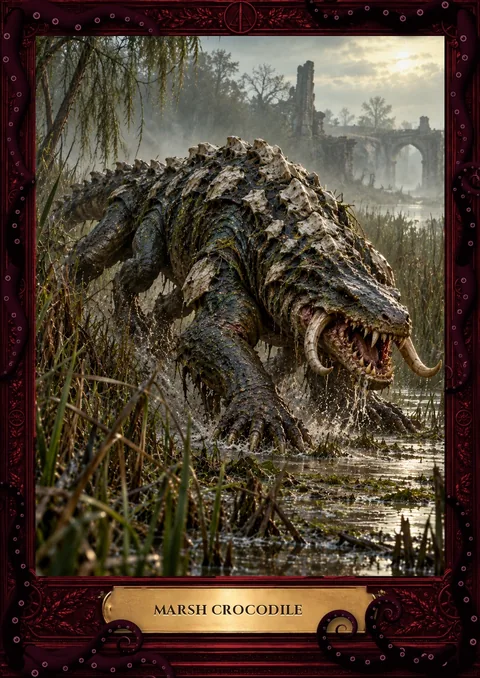
The surf hunters and net wardens of Dover and the eastern gaps hold no charter and are no company. They are skippers, beach men, tide readers and hired killers, and they are trusted for one reason, that they have seen enough to know an animal from a thing that is merely borrowing an animal’s habits. Their books keep the several kinds apart: the wreck-feeders, the cliff-fliers, the salt ghouls, the spirit-ridden catch swarms, and the eel-wyrms, which learn a net too quickly to be reckoned fish. Each wants a different answer, hence the separation; and the killing of the thing that can be seen is not seldom the least useful part of the work.
Nor is every loss on this coast theirs. Fishing boats are taken besides by the rovers, armed hulls left over from the Azure Banner and Pilot Wars, and each decade a certain number of the boats written down as foundered did nothing of the kind. On either shore of the crossing there are nights held bad for attempting it. Away from wreck, shoal and drowned ground these things are not met with at all.